Description and research notes
This proof represents a pre issue banknote of the Bank of Australasia, denominated Fifty Pounds and prepared for the Christchurch office during the late nineteenth century expansion of British chartered banking in New Zealand. It was produced as part of the institution internal design approval and presentation process and was never intended for public circulation.
The Bank of Australasia, incorporated by Royal Charter in 1835, operated as one of the dominant British joint stock banks across Australia and New Zealand. By the 1890s, its New Zealand branches played a central role in commercial finance, agricultural settlement, and large scale mercantile transactions. The Christchurch office served as a major regional hub, making the Fifty Pounds denomination a practical upper tier instrument for institutional and wholesale banking use.
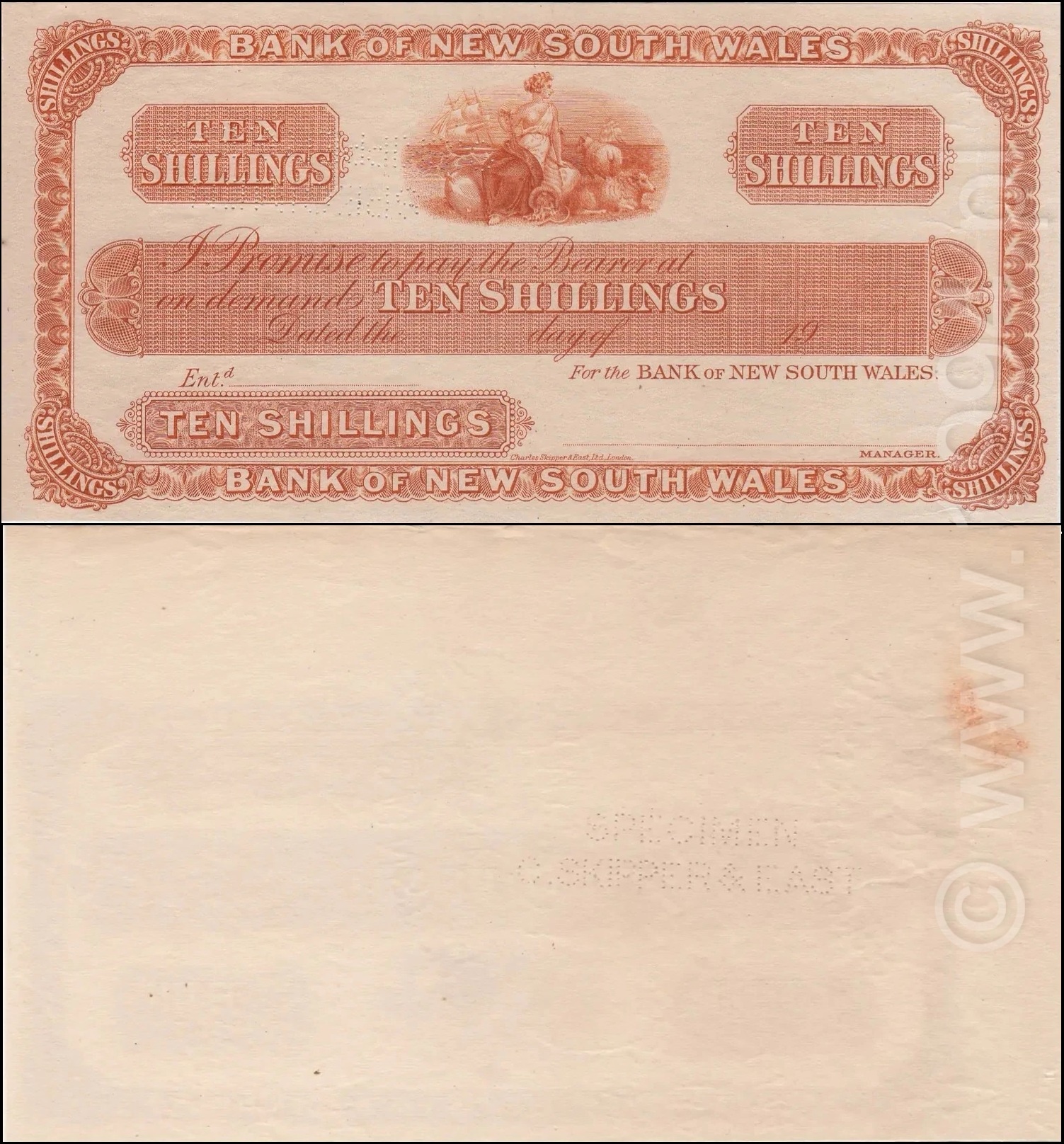
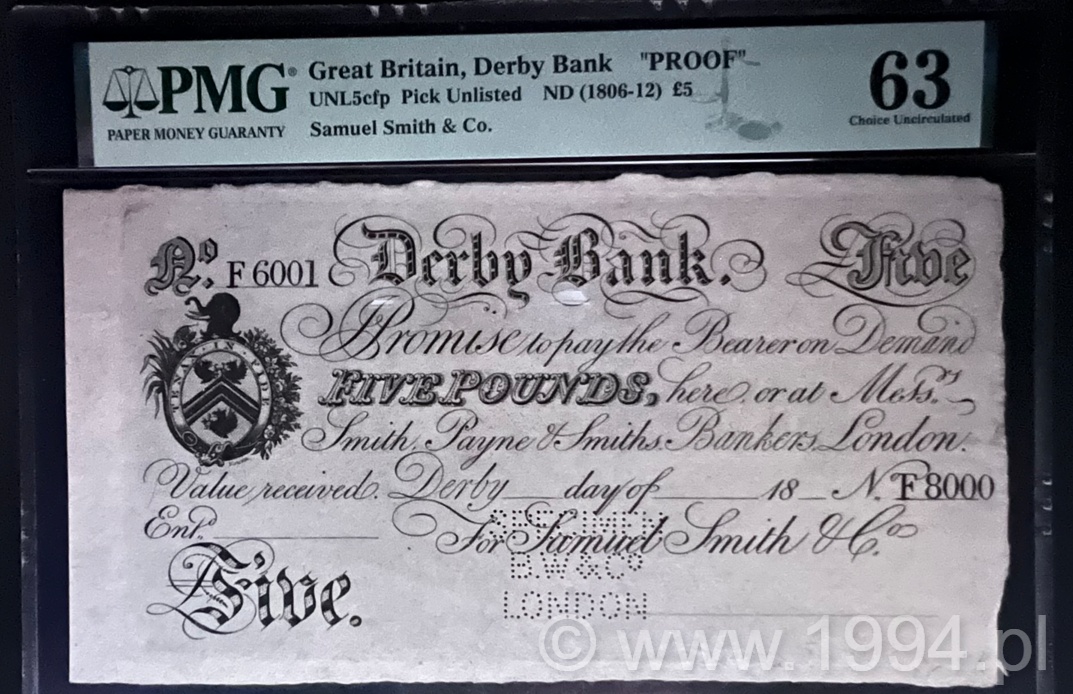
This proof displays the fully engraved obverse design, including denomination roundels, the seated allegorical vignette at center, and the formal promise to pay the bearer on demand. The layout reflects mature Victorian security printing practice, balancing ornamental complexity with legibility and authority. The absence of serial numbering, signatures, and circulation elements confirms its status as a proof prepared for reference and institutional record rather than issue.
The denomination itself is significant. Fifty Pounds represented the highest practical value employed by colonial banks for everyday large scale settlements, placing this proof at the apex of the Bank of Australasia New Zealand note structure. Proofs of such high denominations were produced in extremely limited numbers and were typically retained internally or discarded once designs were approved.
Surviving proof material from the Bank of Australasia New Zealand operations is exceptionally scarce. The combination of high denomination, branch specificity, and proof status positions this example as a primary documentary artifact of British colonial banking mechanics, engraving practice, and monetary authority in late nineteenth century New Zealand.
This note stands as a museum grade witness to the institutional intent behind colonial paper money, representing not circulation currency but the conceptual and administrative foundation upon which it was built.